
https://pin.it/1rs1WCaPN
Lake Superior, Alaska: Beauty, History, and Hidden Mysteries
https://pin.it/3PUSksyLF
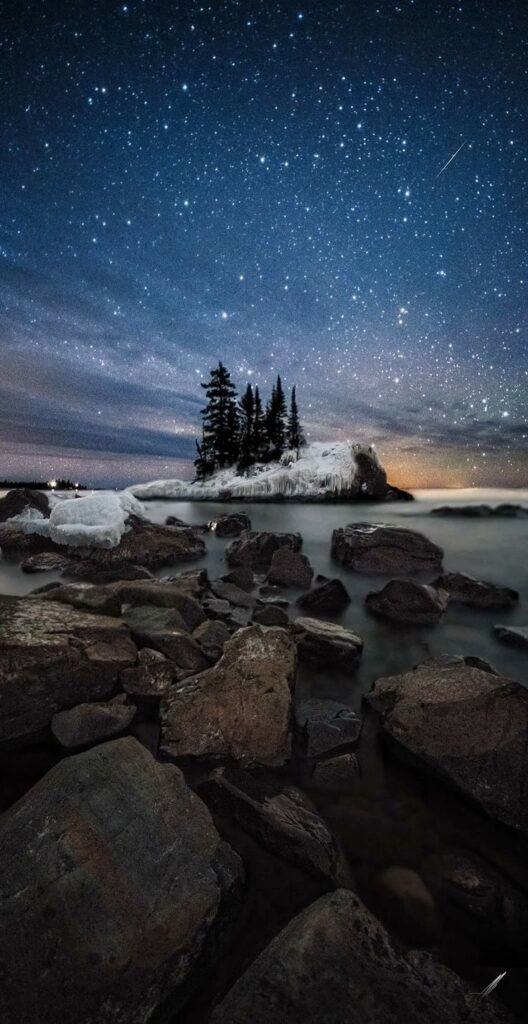
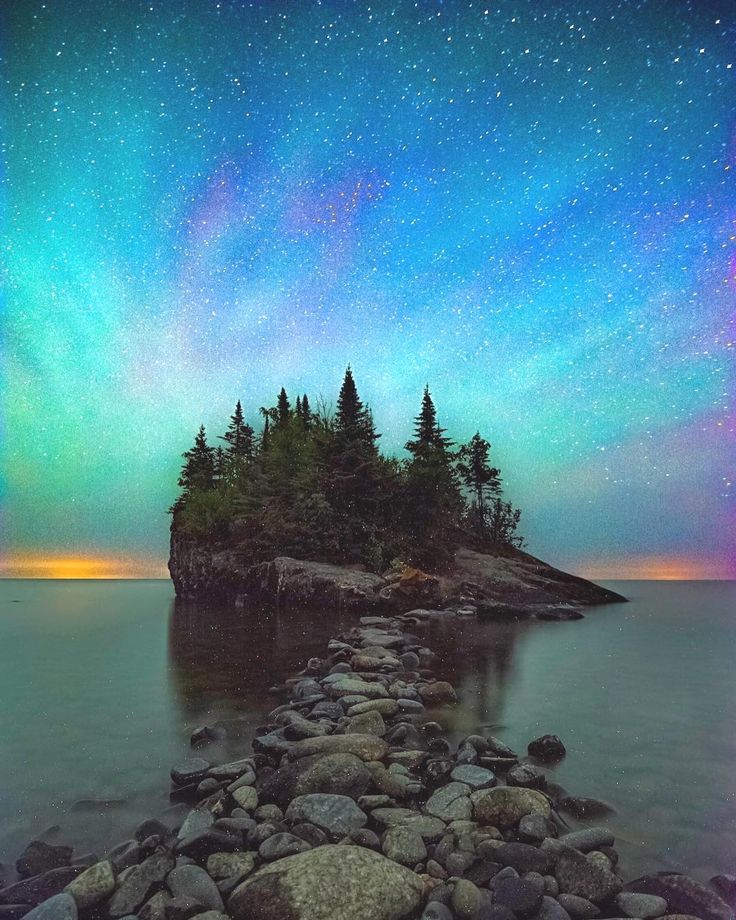
Nestled within the rugged terrain of the Lake Clark National Park and Preserve, Lake Superior in Alaska is a hidden gem that often plays second fiddle to its massive namesake in the Midwest. However, for those who venture into the Alaskan wilderness, this lake offers a unique blend of pristine beauty and whispered legends.
What is Lake Superior, Alaska?
While most people immediately think of the Great Lakes when they hear the name, Alaska’s Lake Superior is a much more intimate, alpine experience. Located in the southwestern part of the state, it is part of a complex watershed that feeds into some of the most ecologically diverse regions in the world.
Key Facts at a Glance
● Location: Lake Clark National Park and Preserve.
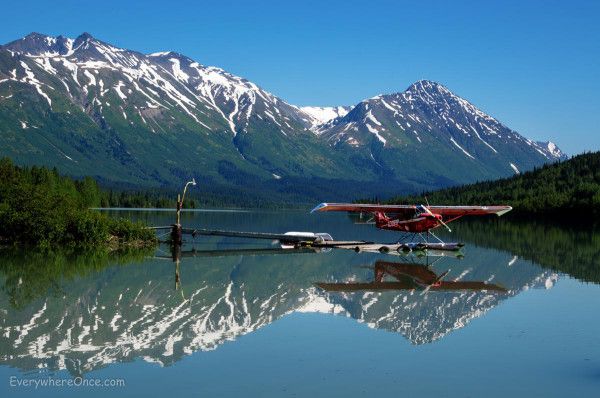
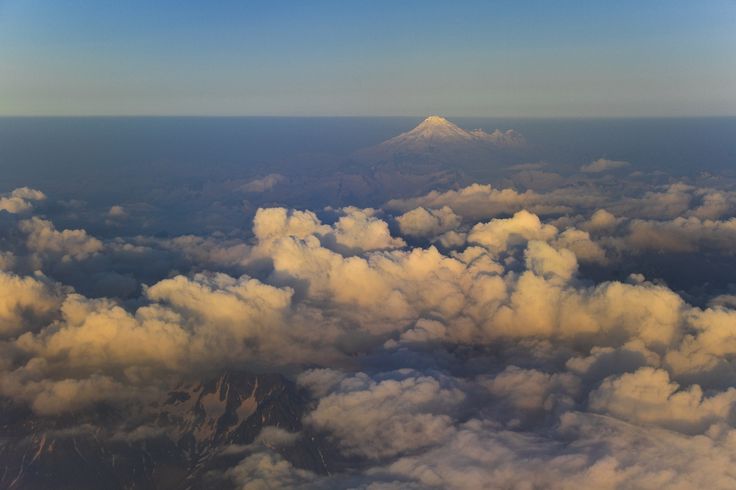
● Accessibility: Primarily via floatplane or strenuous backcountry hiking. ●Surroundings: Flanked by the Chigmit Mountains, where the Alaska Range meets the Aleutian Range.
https://pin.it/1fI5dlZrC
https://everywhereonce.com
https://pin.it/2rVq0qMYq
https://www.flickr.com/photos/leerentz/4257282077/in/photostream/
The Mystery Laying Beneath the Surface
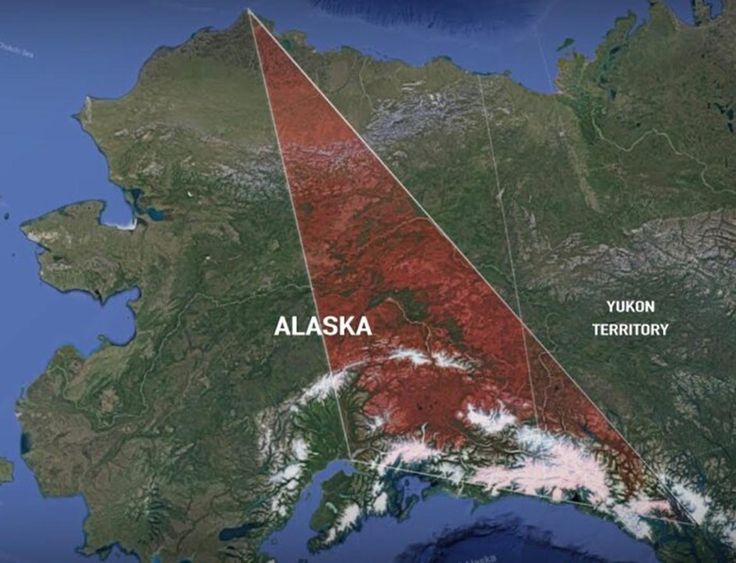
The “mystery” of Lake Superior, Alaska, is often tied to the broader legends of the Lake Clark region and the infamous Alaska Triangle.
https://pin.it/1N7Qoz3IJ
1. The Vanishing Acts
The lake sits within the “Alaska Triangle,” an area stretching between Anchorage, Juneau, and Utqiagvik. This region has a higher rate of missing persons than anywhere else in the world. Local lore often speaks of strange magnetic anomalies that cause compasses to spin, leading hikers and pilots to lose their way near the water’s edge.
2. The “Hidden” Depths
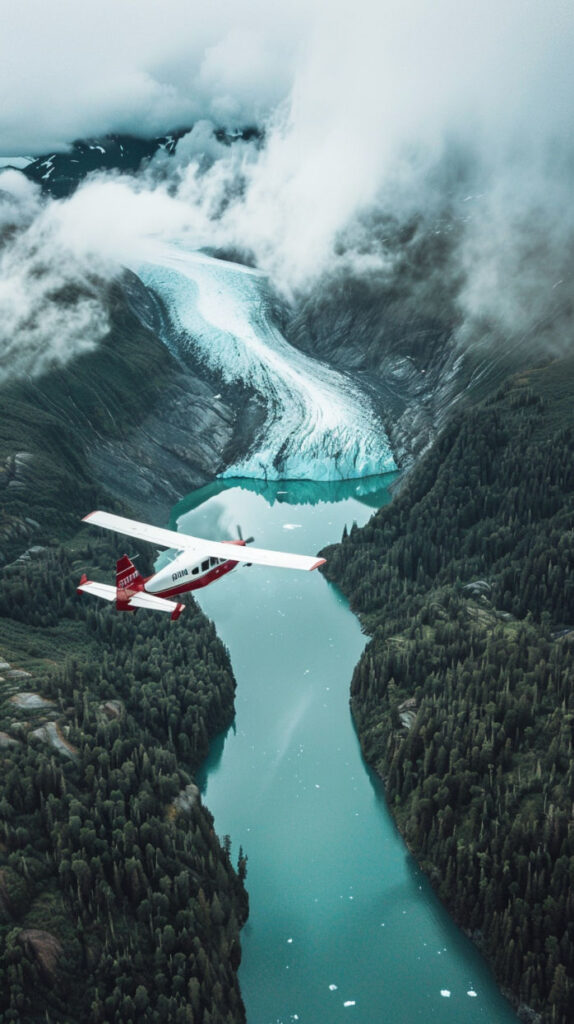
Because the lake is glacially fed, the water is exceptionally cold and dense. There are local tales of “bottomless” sections of the lake. While modern sonar disputes this, the sheer clarity and stillness of the water often create an optical illusion of infinite depth, leading to indigenous myths about spirits living deep within the mountain runoff.
https://pin.it/7gRI7RbJm
3. Ancient Geological Shifts
Geologists are fascinated by the “mystery” of how these high-altitude lakes were formed.
Lake Superior is a product of intense glacial carving.
The mystery lies in the specific mineral compositions found in the sediment, which suggest a volcanic history tied to the nearby Redoubt Volcano.
World-Class Wildlife Viewing
https://pin.it/5X9NylWDd
The area surrounding Lake Superior is a prime habitat for:
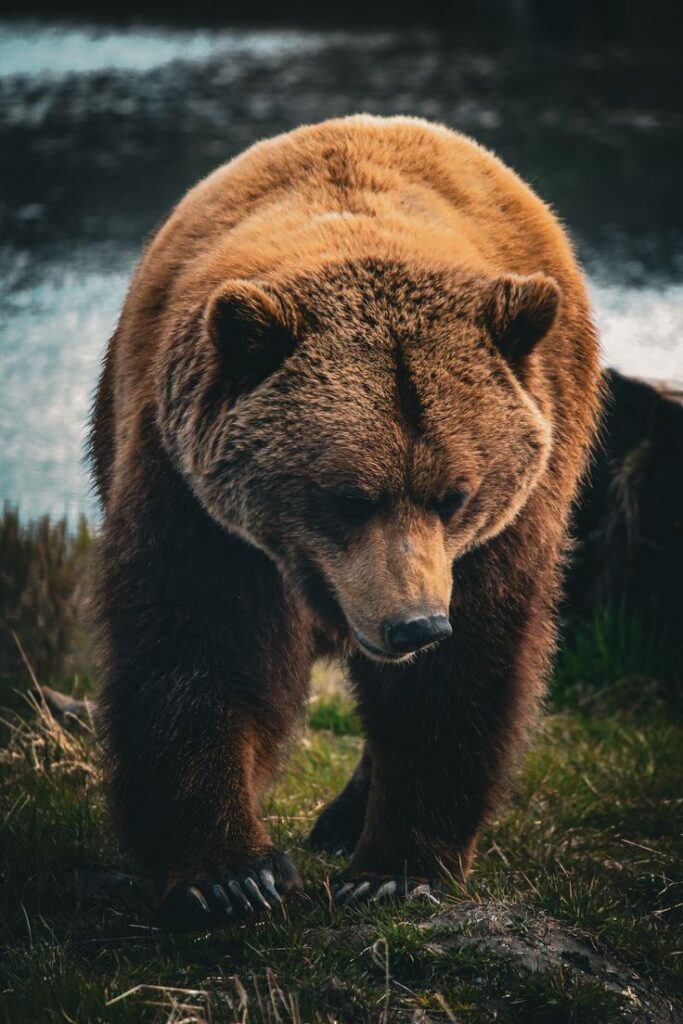
● Brown Bears: Often seen foraging for berries or fish near the shore.
● Caribou: Migratory paths often bring herds through the mountain passes.
● Bald Eagles: Frequently seen nesting in the high spruce trees overlooking the water.
https://pin.it/7KcPjGnGw
Unspoiled Fishing
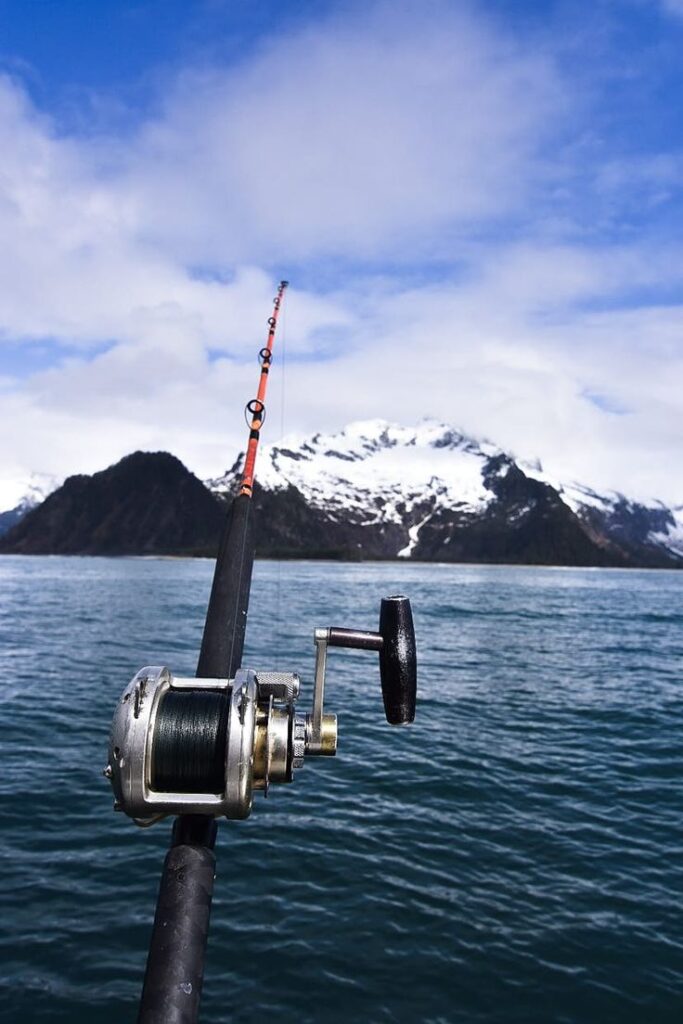
Unlike more accessible lakes, Lake Superior remains largely untouched. Anglers can find Arctic Char and Dolly Varden, offering a “pioneer” fishing experience that is hard to find in the 21st century.
https://pin.it/2hNdBLhyP
https://www.millerslandingak.com/seward-alaska-fishing/upper-kenai-river-fishing/
How to Get There
Reaching Lake Superior is an adventure in itself. There are no paved roads leading to its shores.
●Fly to Anchorage: Your journey begins at Alaska’s main hub.
● Air Taxi: Take a small bush plane (floatplane) from Anchorage or Kenai into Lake Clark National Park.
●Backcountry Trek: For experienced explorers, the lake can be reached via a multi-day hike, though hiring a guide is highly recommended due to the presence of apex predators.
Conclusion
Lake Superior, Alaska, is more than just a body of water; it is a testament to the raw, untamed power of the North. Whether you are drawn by the mysteries of the Alaska Triangle or the serene beauty of the Chigmit Mountains, it is a destination that stays with you long after you leave.
The Alaskan backcountry is a world-class experience, but it requires a “self-rescue” mindset because cell service is non-existent and the environment is unforgiving.
Here is a specialized packing list and safety guide tailored for your trip to the Lake Clark National Park region.
1. The “Alaska Layering” Packing ListIn Alaska, the weather can change from 20°C (68°F) and sunny to 4°C (39°F) and raining in an hour. Avoid cotton—once it gets wet, it stays wet and drains your body heat.
Clothing (The 3-Layer System) ● Base Layer: Moisture-wicking merino wool or synthetic long-sleeves and leggings.
●Insulation Layer: A high-loft “puffy” jacket (down or synthetic) and a fleece mid-layer. ● Outer Shell: A professional-grade waterproof rain jacket and rain pants (essential for wind and rain).
● Extremities: 3 pairs of wool hiking socks (one pair stays dry in your sleeping bag), a warm beanie, and lightweight gloves.Camping & Survival Gear
●Shelter: A sturdy 3-season tent with a full-length rainfly.
●Sleep System: A sleeping bag rated for -7°C (20°F) and an insulated sleeping pad to keep you off the cold ground.
● Water: A high-flow filter (like a Katadyn or Sawyer) and a backup method like Iodine tablets.
● Kitchen: A compact stove (Jetboil or MSR) and a Bear-Resistant Food Container (BRFC)—these are often required and keep your camp safe.
2. Wildlife Safety
Guide: You are visiting one of the densest brown bear populations in the world. Safety is about prevention, not confrontation.
●The “Kitchen” Triangle: Set up your tent, your food storage, and your cooking area in a triangle at least 100 yards apart from each other. Never sleep in the clothes you wore while cooking.
●Bear Spray: This is your primary defense. Carry it in a chest or hip holster, never inside your pack. Practice drawing it so you can do it in under two seconds.
● Make Noise: When hiking through thick brush or near loud streams, clap and shout “Hey bear!” every few minutes. Surprise is the leading cause of bear charges.
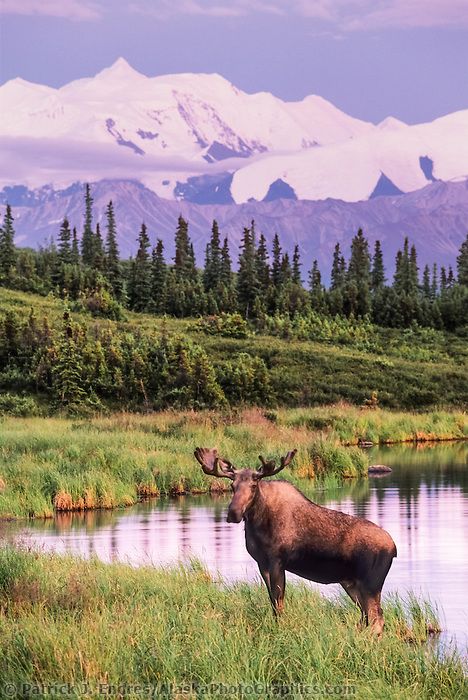
● Moose Distance: If you see a moose, stay at least 25 yards away. If its ears go back or its hair stands up, it is agitated. If it charges, run and get behind a tree.
3. Contact & Navigation Information Because Lake Superior and Lake Clark are remote, you should always verify conditions with the National Park Service (NPS) before flying in.
Ranger Station & Permits
●Permits: As of 2026, Lake Clark National Park does not require a permit for backcountry hiking or camping, but they strongly encourage “voluntary registration” so they know where you are. ● Phone (Summer): (907) 781-2218 (Port Alsworth Field Headquarters) ●Phone (Winter/General): (907) 644-3626 (Anchorage Office)
● Emergency Contact: Dial 911 (if you have a satellite device) or contact the Alaska State Troopers at (907) 246-3464.
Important Safety Note: The “Mystery” FactorThe “magnetic anomalies” mentioned in local lore are real geological phenomena caused by iron-rich volcanic soil.
●Safety Tip: Your compass may “dip” or give false readings near certain rock formations. Always carry a Satellite Messenger (like a Garmin inReach or Zoleo) which relies on GPS satellites rather than magnetic poles.

I’m a professional Astrologer, Numerologist, and Gemologist, and also a passionate lifestyle blogger at CoonteeWorld.com — writing about fashion, travel, wine, horses, and the art of living.