
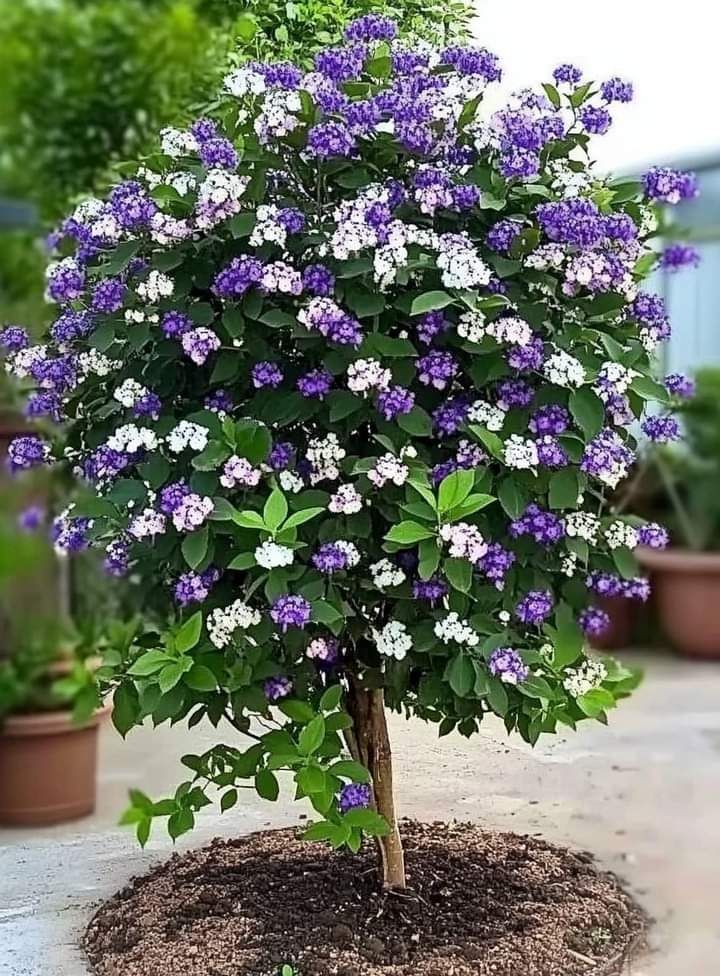
https://pin.it/6kLekLmfD
Introduction
As Brunfelsia uniflora is not native to India or most of Europe but is widely cultivated as an ornamental plant in suitable warm climates.Due to its introduced status in both regions, the plant often goes by its most prominent international common names or general common names for the genus Brunfelsia.
Here are the names commonly associated with Brunfelsia uniflora in these regions:
Local Name in India
In India, where tropical and subtropical gardening is popular, Brunfelsia uniflora is often confused with or grouped under the common names of its closest relatives in the genus, especially Brunfelsia pauciflora (which is also cultivated in India).
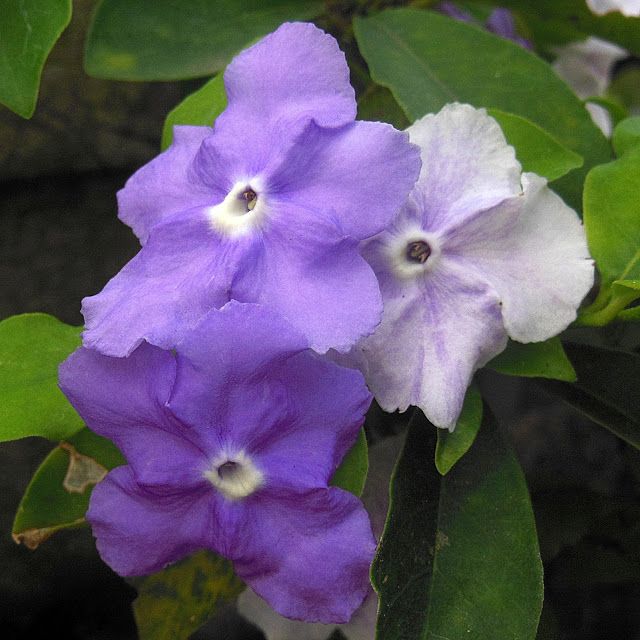
https://pin.it/567CPtleF
The most common names are likely to find in Indian nurseries and garden circles are:
Lady of the Night__ (A very popular English common name, referencing its strong night fragrance).
Yesterday-Today-and-Tomorrow (This name is technically for B. pauciflora but is often generally applied to any Brunfelsia species, including B. uniflora, that exhibits the flower color change).
Manacá (This is the plant’s widely known South American native name, sometimes adopted by botanists and enthusiasts in India).
There is no single, widely recognized vernacular name in a specific Indian language (like Hindi, Marathi, etc.) that is unique to Brunfelsia uniflora, as it is an exotic introduction.
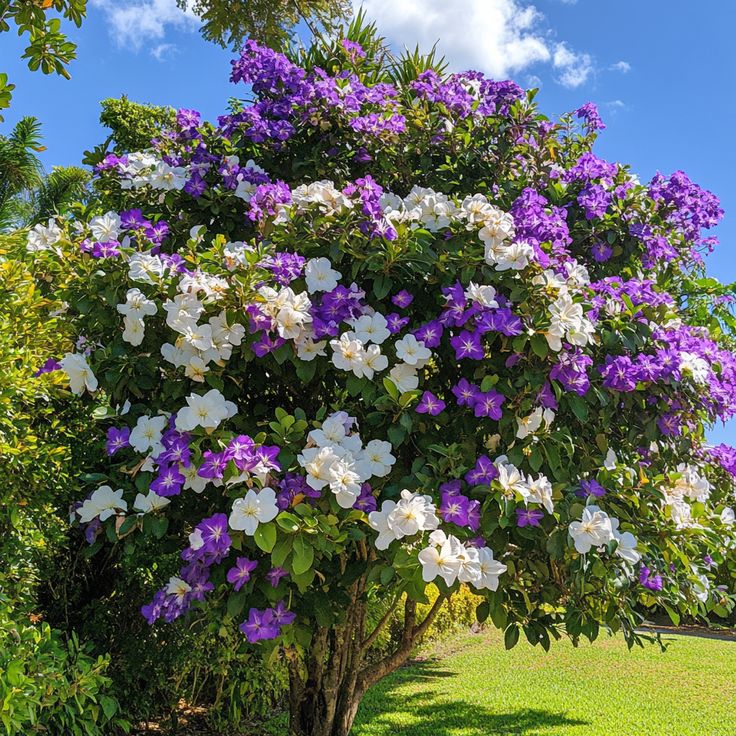
https://pin.it/5Uo0s7oKm
Common Names in European Countries
In Europe, Brunfelsia uniflora is primarily grown indoors, in conservatories, or outdoors only in the warmest, frost-free Mediterranean climates (like parts of Spain, Italy, or the South of France).In most European countries, especially those with temperate climates, the shrub is generally referred to by its main international common names or its botanical name:
●Manacá (Adopted from its native Portuguese/Tupi name).
●Lady of the Night (English common name).
●Franciscea (An older, now largely obsolete, genus name (Franciscea uniflora) sometimes still used by older horticulturists).
●Manacabrunfelsia (The Swedish common name, for example, is manacabrunfelsia).
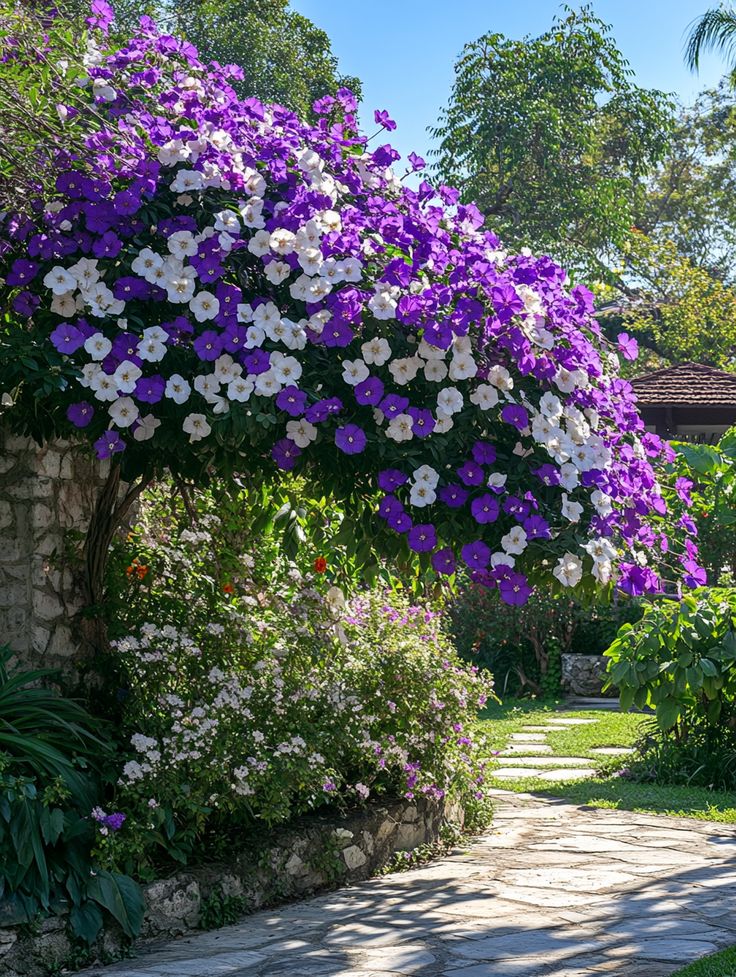
https://pin.it/6jRocLSVx
Brunfelsia uniflora: The Enigmatic Manacá ShrubThe genus Brunfelsia, a member of the nightshade family Solanaceae, is celebrated for its highly fragrant and colorful flowering shrubs. Among its most beloved species is Brunfelsia uniflora (syn. Brunfelsia hopeana), a captivating plant often known by its common names like Manacá or Lady of the Night. This species is highly valued in tropical and subtropical gardens for its ornamental beauty and potent fragrance.Is Brunfelsia uniflora a Tropical Shrub?
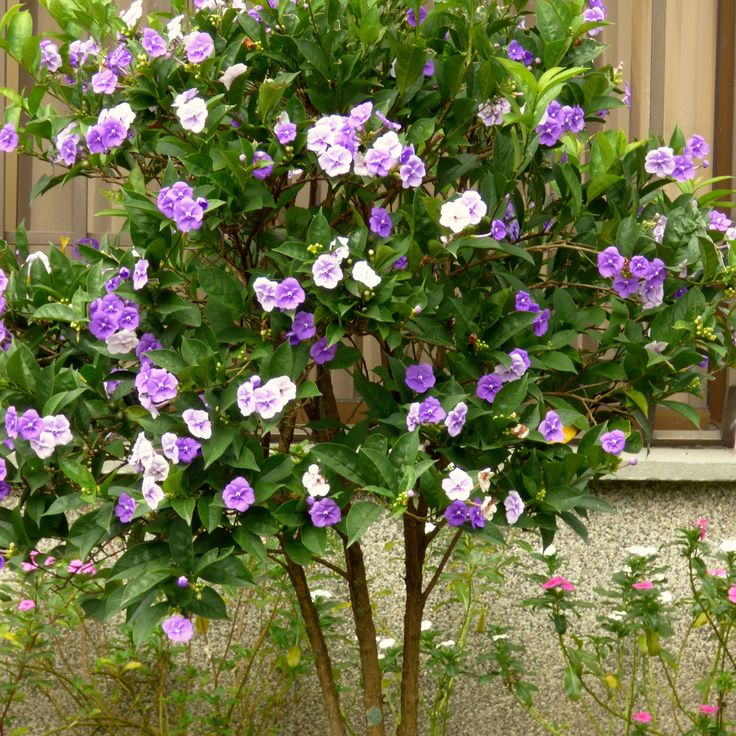
Brunfelsia uniflora is a tropical evergreen shrub or small tree.
https://pin.it/zeJ5NgNKj
It is native to a range of environments across South America and the Caribbean, including Trinidad and Tobago, Venezuela, Guyana, and Brazil. Its natural habitat spans from wet, montane rainforests to coastal rainforests and savannahs, confirming its preference for warm, humid, tropical conditions. In its native range, it typically grows from 0.5 to 3 meters (2 to 10 feet) tall, though some reports indicate it can reach up to 8 meters.
Distinctive Qualities and Characteristics
Brunfelsia uniflora possesses several unique features that make it a favorite among horticulturists and garden.
The Alluring, Color-Changing Flowers
https://pin.it/523Ju7TWe
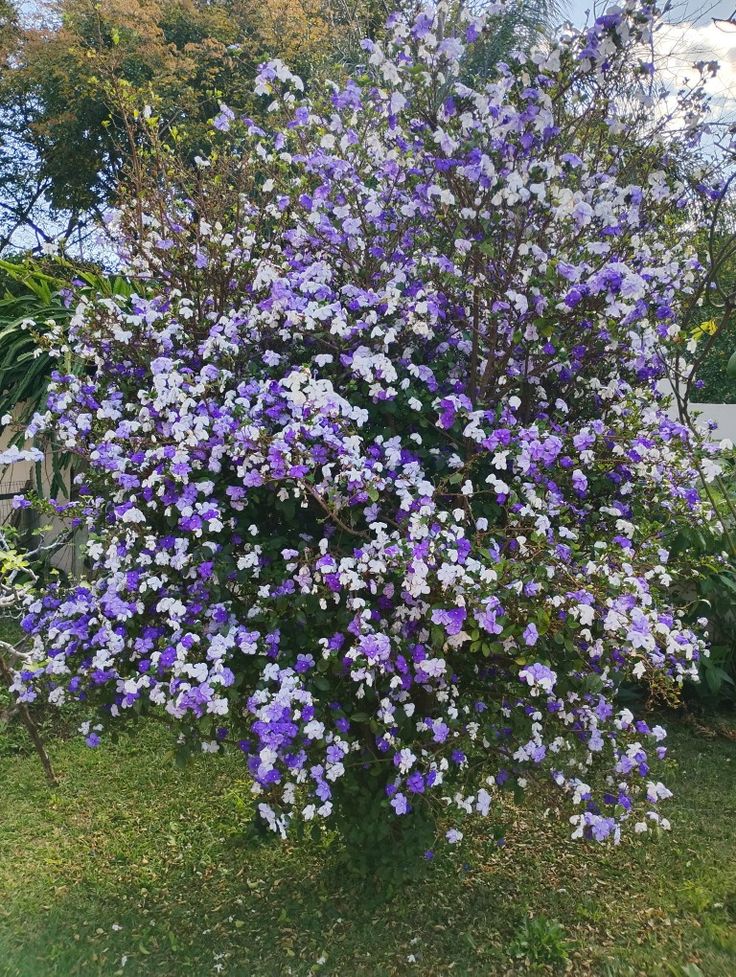
While some species in the genus are famous for the “Yesterday-Today-and-Tomorrow” flower display (where a single bloom changes color over three days), Brunfelsia uniflora is also known to exhibit this striking characteristic, often with variations
Color Transition: The flower opens with a vibrant color, typically deep purple or mauve. Over the course of a day or two, it gradually fades to a paler lavender, blue, or creamy white before senescing.
Appearance: The flowers are pansy-shaped, about 2 inches across, with five broad, wavy petals extending from a narrow tube. They appear in profuse, repeating cycles throughout the warm growing season.
The Enigmatic Scent: Lady of the Night
https://pin.it/4HWs5ZFt4
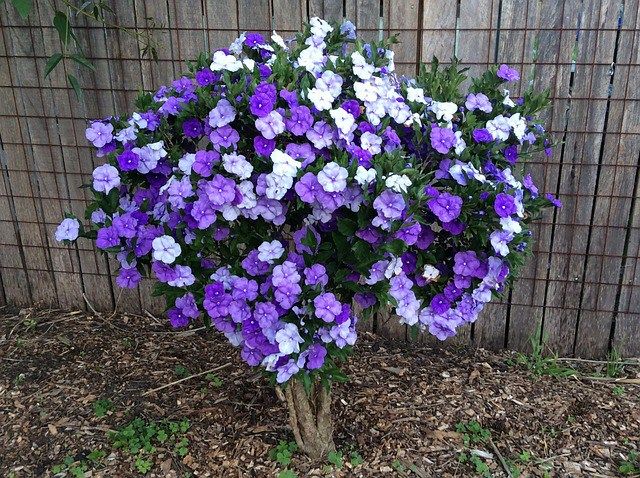
One of the most prized qualities of this shrub is its powerful and delightful fragrance, which is particularly notable at night. * Scent Profile: The aroma is often described as intense, sweet, and clean, sometimes compared to a blend of gardenia and carnation, or possessing spicy notes like cloves.
Night Fragrance:
As its common name “Lady of the Night” suggests, the shrub’s scent is often most potent in the evening and at night, filling the surrounding air and creating a captivating experience for nocturnal visitors like moths. The essential oil derived from the flowers is sometimes used in perfume.
Foliage and Form
● Foliage: The leaves are simple, alternately arranged, oval to lance-like, and typically a medium green color. As an evergreen in tropical climates, it provides year-round visual appeal.
●Form: It is generally a dense, free-branching shrub that maintains a handsome, full shape with minimal pruning.
Ideal Climate and Cultivation
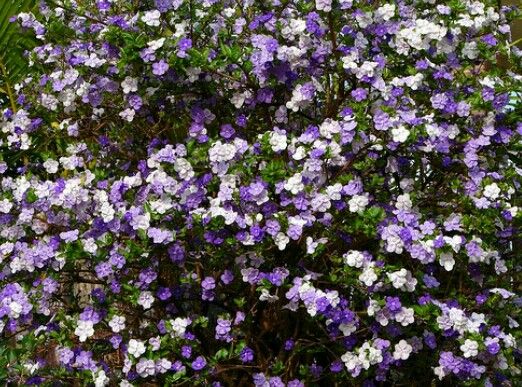
Brunfelsia uniflora thrives in warm, humid conditions that mimic its native South American rainforest habitat.
https://pin.it/5yG4Jifm5
Climatic Preferences
Temperature: This shrub is perfectly suited for tropical and subtropical climates and is generally hardy in USDA Zones 9 through 11. It cannot tolerate heavy frost and will likely drop most of its foliage if chilled significantly
●Humidity:
It thrives in a humid environment. When grown indoors or in drier climates, providing extra humidity can promote leaf vitality and overall health.
●Light:
While it can tolerate a position with full sun, it generally performs best in partial shade or where it receives full sun with some midday shade to prevent scorching of the foliage. Bright, indirect light is preferred if grown indoors.
Soil and Care Requirements
●Soil:
It prefers a loamy, fertile, humus-rich, and well-drained soil. It is vital that the soil remains consistently moist but never waterlogged, as good drainage is essential to prevent root rot. The species can often benefit from slightly acidic to neutral soil (pH 5.0 to 7.0).
●Watering:
Regular watering is necessary to keep the soil evenly moist, especially during the active growing season. It can tolerate brief dry spells but prefers consistent moisture.
♤● Fertilization:
For optimal growth and flowering, a balanced NPK fertilizer (e.g., 10-10-10) should be applied every 4-6 weeks during the growing season (spring and summer), reducing frequency in the dormancy phase (late fall and winter).
Important Note on Toxicity
It is crucial to be aware that, like many species in the Solanaceae family (which includes tobacco and deadly nightshade), the entire Brunfelsia uniflora plant contains toxic alkaloids, particularly manacine.
●Toxicity:
The plant is poisonous to humans and domestic animals, including cats, dogs, and horses, if ingested. It is known to cause severe gastrointestinal and neurological symptoms.
♧Traditional Use:
Historically, it has been used in traditional folk medicine in its native region, but its use requires expert knowledge due to its toxicity. It is also an ingredient in certain ceremonial preparations.
Brunfelsia uniflora remains a highly sought-after ornamental plant for its stunning, fragrant, and color-changing flowers, bringing a touch of the neotropics to any warm climate garden or conservatory.

I’m a professional Astrologer, Numerologist, and Gemologist, and also a passionate lifestyle blogger at CoonteeWorld.com — writing about fashion, travel, wine, horses, and the art of living.